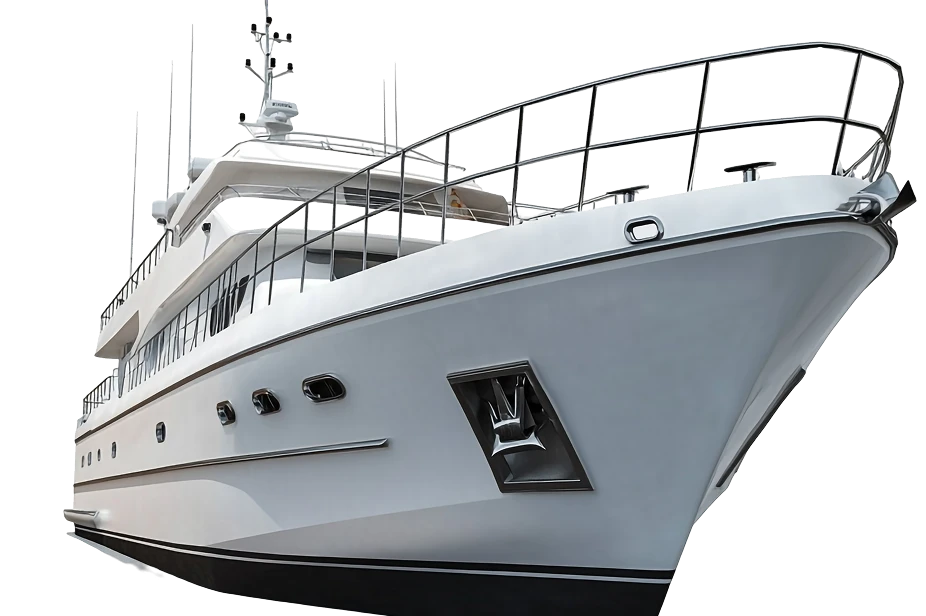
Superyacht Engineer Standard Package
Comprehensive engineer training. Combines safety, technical knowledge, and practical skills.
10 Days
12 OCT 2026
This package provides the minimum qualifications needed to start working as a junior engineer or assistant on yachts under 200GT. It’s designed for those ready to pursue engineering seriously, giving you both the STCW safety foundation and MCA-approved technical training required by law for many roles.
Junior engineers earn $4,000–$5,000/month, with higher offers for candidates from technical or industrial roles. Career growth is fast: experienced engineers can reach $6,600–$8,800+, making this one of the most rewarding long-term roles on board.
Gain all mandatory safety certifications including firefighting, survival, first aid, and security awareness.
Learn how to operate and maintain diesel engines, fuel and cooling systems, and apply safe workshop practices.
Understand how to respond to onboard engineering emergencies and follow pollution control procedures.
18 years old
A good level of spoken and written English is required, as all training and assessments are conducted in English
Engineering packages are ideal for career changers from land-based technical roles, such as mechanics, electricians, technicians, or engineers.
They’re also suitable for crew planning to work on small vessels, yachts, and workboats where multi-skilled engineers are essential.
Yes. Many yacht engineers start from land-based mechanical or electrical backgrounds.
Engineering packages give you the marine-specific knowledge and certificates needed to make that transition safely.
STCW only covers safety and survival, not engineering ability. AEC1 and AEC2 formally certify that you understand marine engines and systems—fuel, cooling, electrics, lubrication, and maintenance—on paper. An engineering package combines STCW with AEC certification, giving employers proof, not assumptions, that you can work as an engineer.
Yes. On small yachts and commercial vessels, engineers often handle engines, generators, pumps, electrics, and maintenance.
This makes engineering one of the most secure and versatile career paths at sea.
Entry-level engineers typically earn USD 3,500–5,000 per month, depending on vessel type and experience.
Engineers on smaller vessels often gain hands-on experience faster, leading to quicker progression.
Each level increases responsibility, confidence, and job opportunities.
Yes. Training focuses on real engines, tools, servicing, and fault-finding, not just classroom theory.
This is especially valuable for those transitioning from shore-based jobs.
Most students attend on a tourist visa, which is sufficient for training.
If needed, Galileo Maritime Academy can provide a letter of enrolment.
Usually less so than for interior roles. Small tattoos and piercings are generally acceptable.
What matters more is competence, safety awareness, and reliability.
No course guarantees employment. However, an engineering package gives you skills, certificates, and credibility that employers expect from entry-level marine engineers.
It puts you ahead of candidates with only STCW.